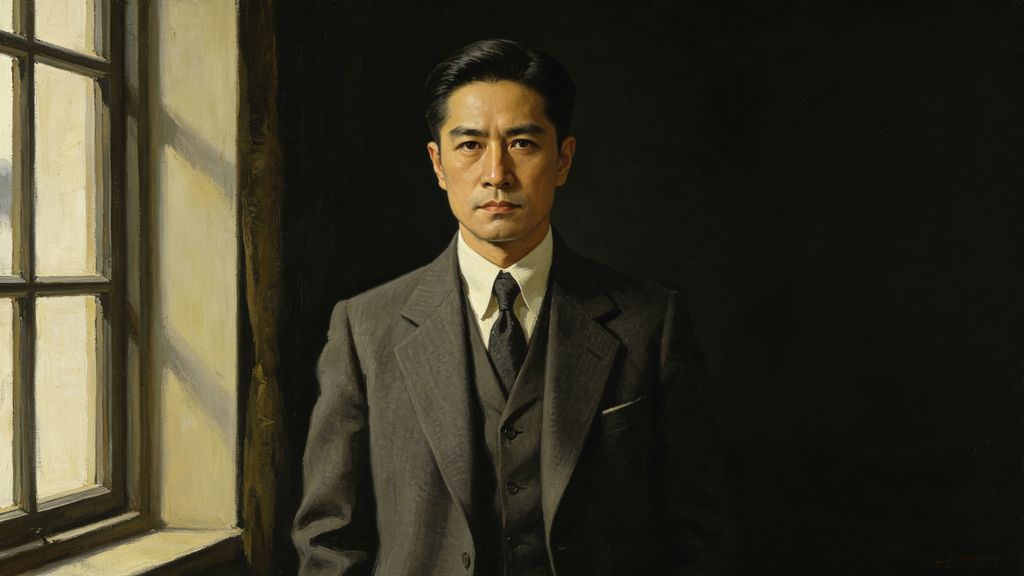
Thomas Derksen was born in Germany in 1988. He first came to Shanghai in 2011 as a banking intern — and fell for both the city and the girl Julie. They married in 2013; Thomas became a "Shanghai son-in-law".
His gift is languages: fluent Mandarin and even Shanghainese! His vlogs capture Chinese life: making dumplings with his mother-in-law, shopping on Alipay, chatting with lane neighbours. First-time square dancing, first Spring Festival, first baijiu — every "small Chinese thing" becomes comedy gold.
Honest and hilarious, his videos attract millions in China and abroad. He wrote a book, My German Life in China, and German media came calling: why is this German so happy in China?
"Shanghai is my home," he says. From intern to internet-famous son-in-law, his camera shows how a foreigner truly joins Chinese life — in rice, oil and daily love.
Afu (Thomas Derksen, 1988- ), German, self-styled "Shanghai son-in-law", became an internet star speaking fluent Shanghainese - the representative of foreigners learning Chinese dialects.
Meeting Shanghai: he came to Shanghai in 2007 to study and was drawn by the city energy, deciding to stay. He married a Shanghai woman named Julie, becoming the "Shanghai son-in-law".
Why Shanghainese: he reasoned that to truly live in Shanghai, he should learn the local dialect. He learned from his in-laws - from "nong hao" (hello) to "xie xie nong" (thank you) - until he could even make short videos in Shanghainese.
Viral videos: clips like "German son-in-law in Shanghai", "ordering food in Shanghainese" and "Shanghainese vs German" are humorous and down-to-earth, winning him many fans. He even won awards in Shanghainese competitions - jokingly called "the foreigner with the best Shanghainese".
His roles: blogger, host and an active figure in Sino-German exchange. He frequently appears on TV, hosting bilingually - introducing Shanghai to German audiences and Germany to Chinese ones.
Lesson for learners: Afu proves "dialect is the key to integrating into a local culture". Many foreigners find Mandarin hard enough; learning a dialect too, his devotion made him truly "a Shanghai person". Love a city first, then learn its language.
Afu now lives in Shanghai, where his daughter was born. He says her first words "we are Shanghai people" moved him to tears. His story shows: when you learn a language to its bones, the culture moves into your heart. Dialect is home sound, and home sound touches the heart.
Afu has another role: "Shanghainese ambassador". He helps record teaching materials and dialect programmes, encouraging young people to keep speaking it. A foreigner protecting a dialect in return - that is cultural fusion at its most beautiful.
Afu recently published a book, Afu Shanghai, documenting his life in Shanghai bilingually. In the preface he writes: "I am not a foreigner in Shanghai; I am a Shanghainese." Those words are the best diploma for his ten years of language learning.

