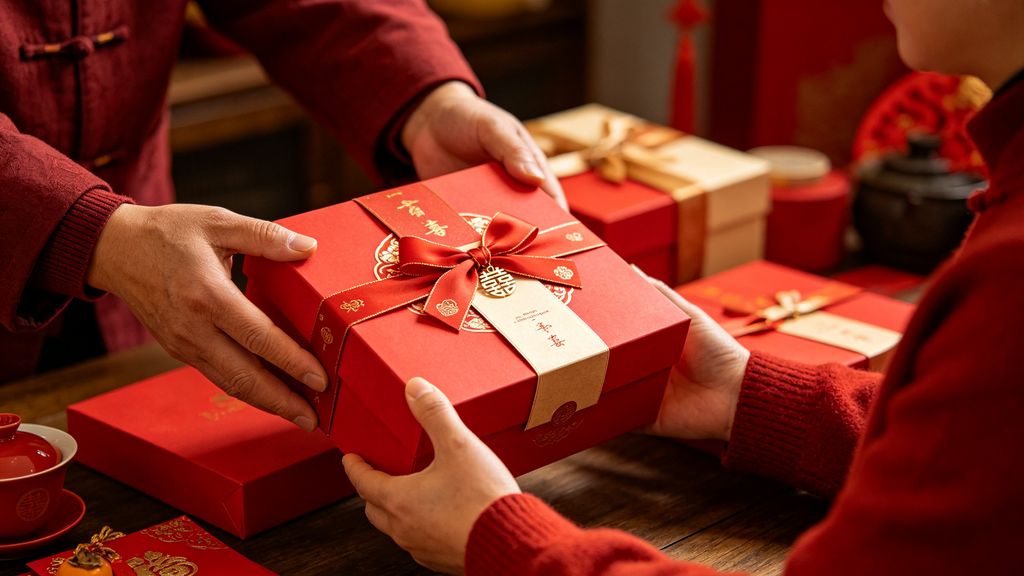
In China, gift-giving is an art. Give well and things go smoothly; give poorly and you might even offend someone. It's not about how expensive—it's about giving the right thing. This guide helps you understand Chinese gift-giving etiquette.
First, timing matters. Usually give gifts during holidays (Spring Festival, Mid-Autumn Festival), when visiting friends, or when thanking someone. Don't give gifts casually—especially not when asking for a favor, it's too deliberate and makes people uncomfortable. Don't give gifts in front of a crowd—do it privately, to save the other person's face.
Then what to give. Food is safest—fruit, pastries, tea, wine, never go wrong. Health supplements are also popular, especially for elders. For friends, bring specialties from your own country—chocolate, coffee, wine, Chinese people love those. Don't give too expensive ones—just a few hundred RMB is enough, too expensive and they won't dare accept.
Now what NOT to give. A few taboos: First, don't give a clock—"sending a clock" sounds like "sending off the dead" in Chinese, unlucky. Second, don't give an umbrella—"umbrella" sounds like "separate." Third, don't give pears—"pear" sounds like "leave." Fourth, don't give shoes—"shoes" sounds like "evil." Fifth, don't give gifts in white or black wrapping—that's for funerals.
Finally, how to give. Chinese people like to go back and forth when giving gifts—you give, he says no no no, you say it's just a small thing, he accepts. This is politeness, not real refusal. Don't take it back just because he refuses once—that'd be awkward. When receiving a gift, don't open it in front of the guest—wait until they leave, that's polite.

