Norman Bethune was born in Ontario, Canada, in 1890, a famous chest surgeon. In 1938, at the hardest point of the War of Resistance, he came to China on his own initiative to treat the wounded in Yan'an and the Jin-Cha-Ji border area.
Bethune worked with incredible devotion. He set up mobile operating stations near the front line, often working dozens of hours straight. He founded field hospitals and a medical school, and donated all the equipment he had brought.
In November 1939 his finger was infected during an operation and he died at just 49. Mao Zedong wrote "In Memory of Norman Bethune", praising his spirit of "utter devotion to others without thought of self" and urging all Chinese to learn from him. The essay is still in school textbooks.
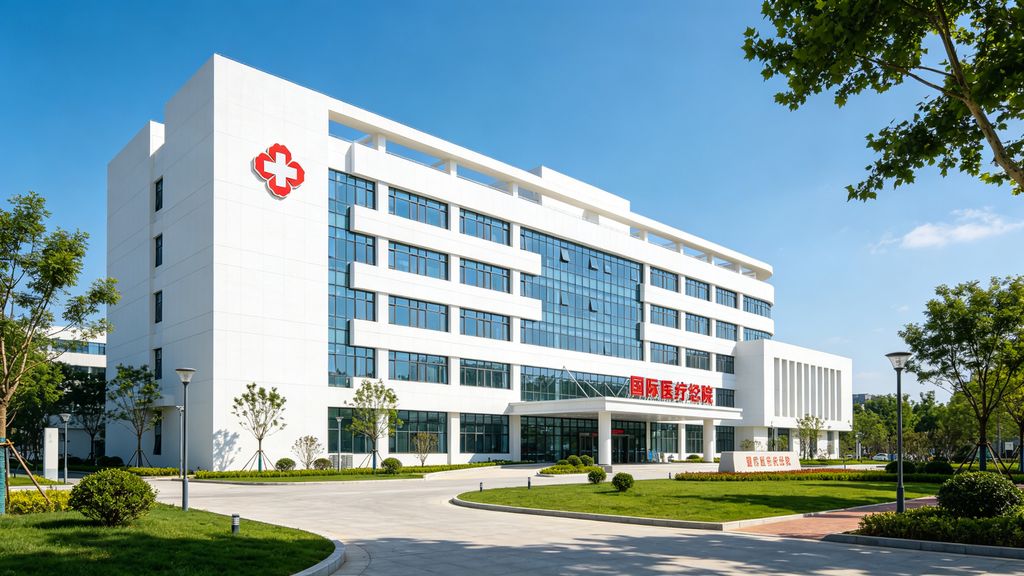
Today Bethune's name is known in every Chinese home: Bethune International Peace Hospital, Bethune Medical University, statues and exhibitions. A foreigner who gave his whole life to the Chinese people — that is what Norman Bethune means to China.
Norman Bethune (1890-1939), a Canadian doctor and communist, is famous for saving Chinese soldiers and civilians during the War of Resistance against Japan. He is the subject of Mao Zedong essay In Memory of Norman Bethune: "a man of noble spirit, of pure spirit, of moral spirit, free of vulgarity, beneficial to the people."
Background: when the full-scale war broke out in 1937, Bethune led a medical team to Yan an in March 1938, then moved to the front line in Shanxi-Chahar-Hebei. He gave up comfortable conditions in Canada to work at the very edge of the battlefield.
Contributions: he invented a mobile operating table, set up a "model hospital" on the front, and trained Eighth Route Army medics. His motto: "wherever the wounded are, there the operating table is." He often worked dozens of hours under fire; in about a year and a half he performed hundreds of operations.
His death: in October 1939, while operating in Laiyuan, Hebei, he infected a finger; he died of sepsis on November 12, aged 49. He wrote before dying: "the last two years have been the most happy and meaningful of my life."
Why China never forgets him: he fought not for his own country but for justice and human solidarity. His internationalism made "Bethune" a synonym for selfless dedication. His tomb is in Shijiazhuang Martyrs Cemetery, and his birthplace in Gravenhurst, Canada, is a memorial house.
Today: visit the Bethune Tomb and Museum in Shijiazhuang and the Bethune-Kotnis Memorial in Tang County; Canada has its own memorial. His name appears in Chinese textbooks - a shared memory of generations.
A detail makes his story more real: writing to friends in Canada, he said conditions were harder than expected but the soldiers courage moved him. He was no flawless saint but a flesh-and-blood man who complained yet never left. That humanity makes the Bethune spirit all the more moving.

