Home / Learning Blog
Chinese Learning Blog
HSK prep, visas, Chinese culture, study and travel guides to plan your Chinese learning.
All
visa
faq
entry
immigration
exam
idiom
famous
culture
history
foreigners
routes
travel
customs
attractions
special
 idiom
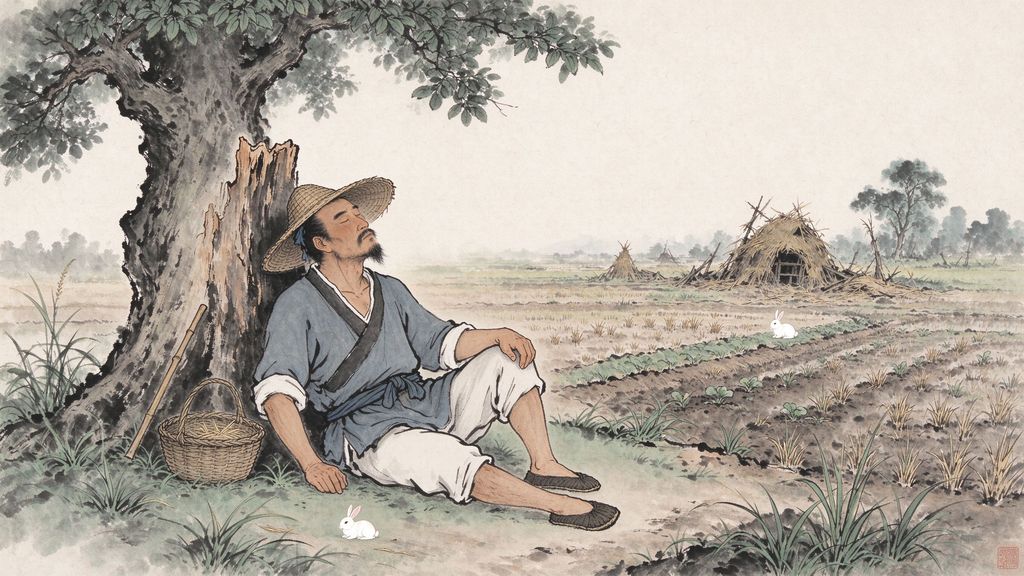
Waiting by a Stump: Do Not Mistake Luck for Law
How many rabbits will run into your tree if you just wait? What does this idiom mock?
 idiom
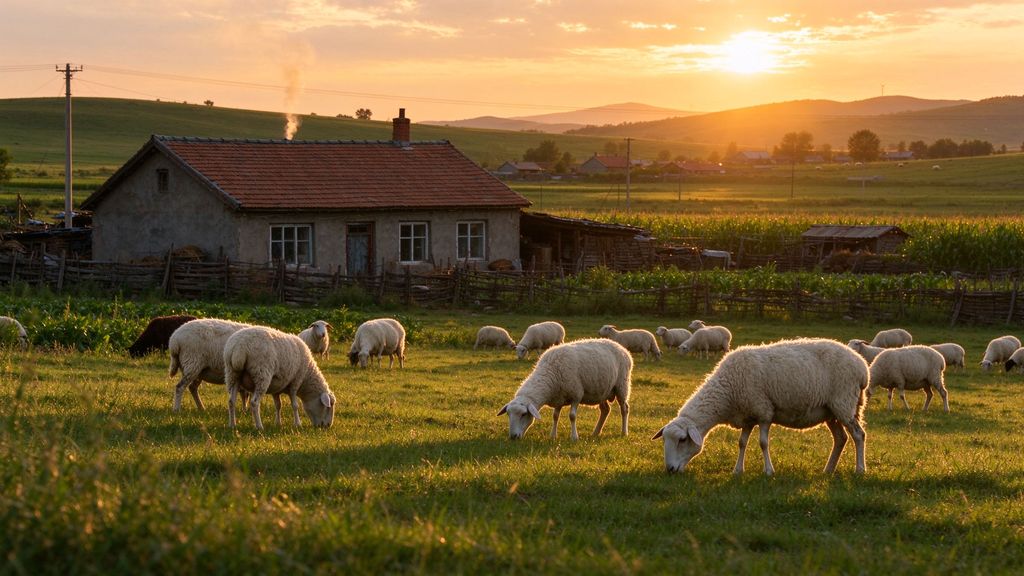
Mending the Fold After the Sheep Is Lost: Is It Too Late?
Fixing the pen only after the sheep escape - is it too late? This idiom is about timely remedy.
 idiom
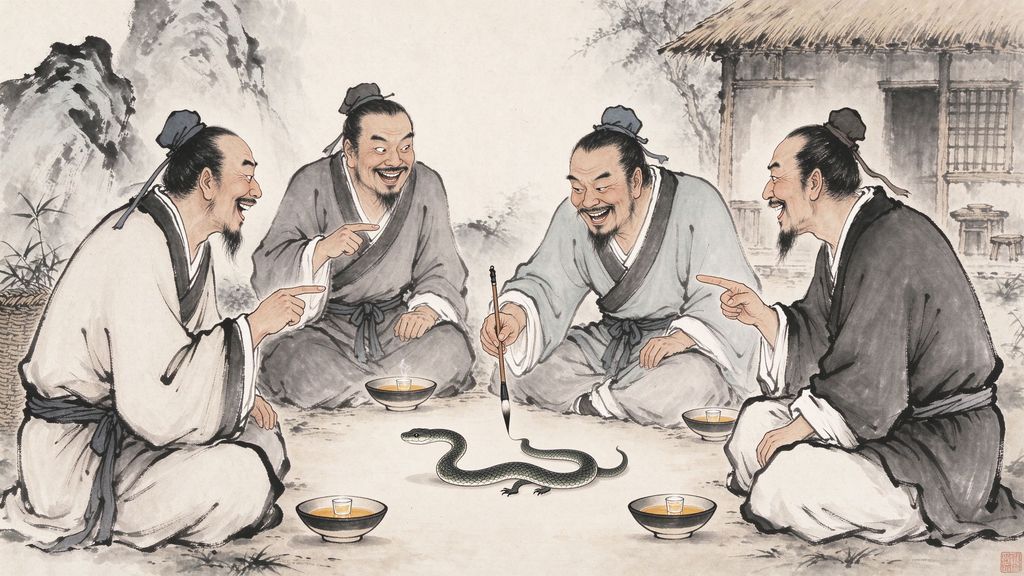
Drawing a Snake and Adding Legs: The Lesson of Overdoing It
How an ancient drinking contest became the byword for overdoing things.
 idiom
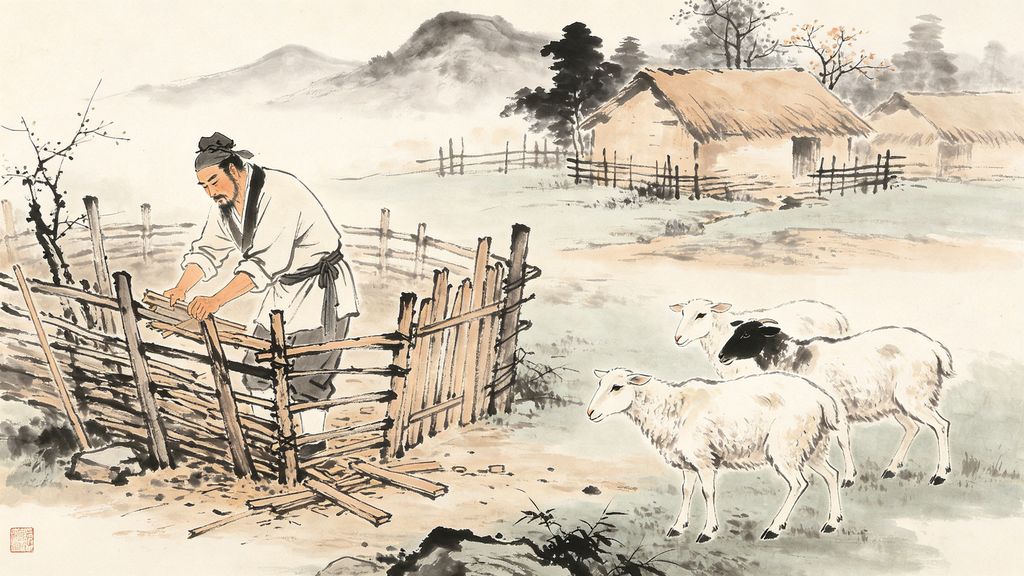
The Spear and the Shield: Contradicting Yourself
The man selling both spears and shields - how his own words trapped him.
 idiom
The Fox Borrows the Tiger Terror: Using Others Power
How a fox used the tiger terror to frighten all the beasts - the story behind the idiom.
 idiom
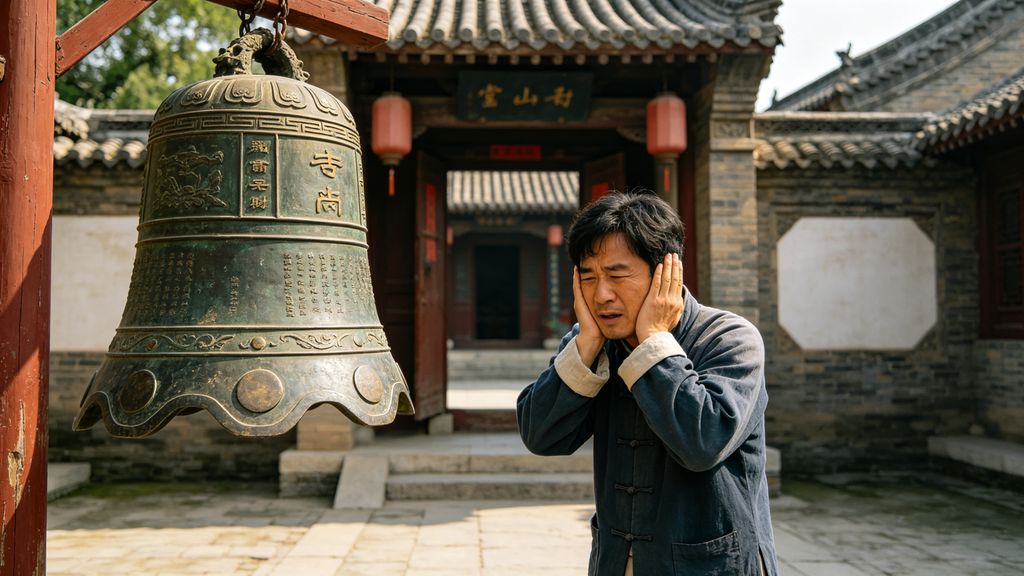
Covering Ears to Steal a Bell: The Fool Who Fooled Himself
If I cover my own ears, no one else can hear? The classic fable of self-deception.
idiom
Drawing Legs on a Snake: Adding What Is Unnecessary
Winning the wine, then losing it by adding legs - where "drawing legs on a snake" comes from.
idiom
Mending the Fold after Losing the Sheep: Better Late Than Never
Is it too late to fix the pen only after the sheep are gone? The idiom says: not at all.
 idiom
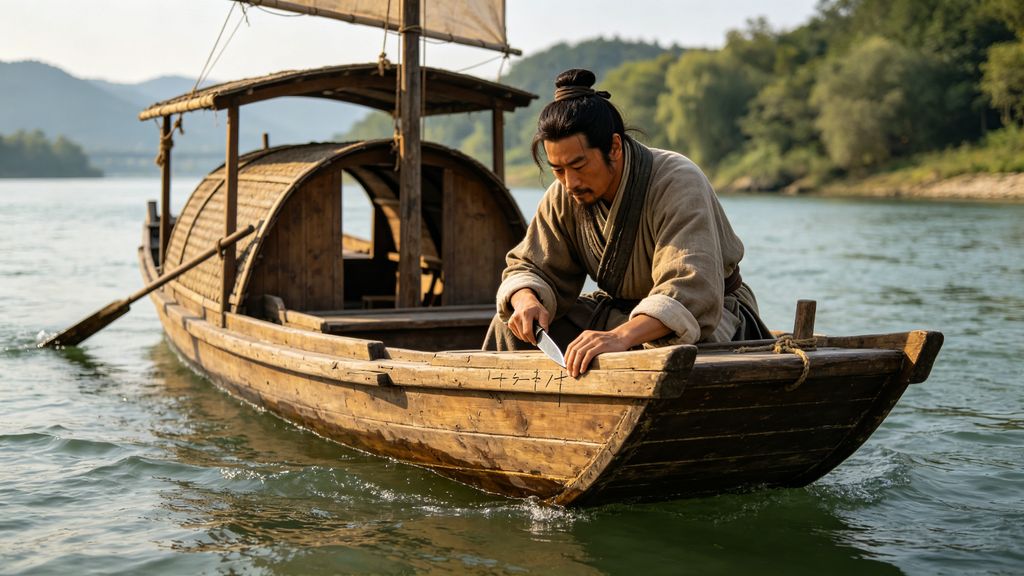
Carving a Mark on the Boat: The Man Who Marked the Boat to Find His Sword
He dropped his sword into the river - and carved a mark on the boat to find it. The joke is 2,000 years old.
idiom
Waiting by the Tree Stump: The Farmer Who Wanted Something for Nothing
Where does "waiting by the tree stump for a rabbit" come from, and what does it teach us?
 idiom
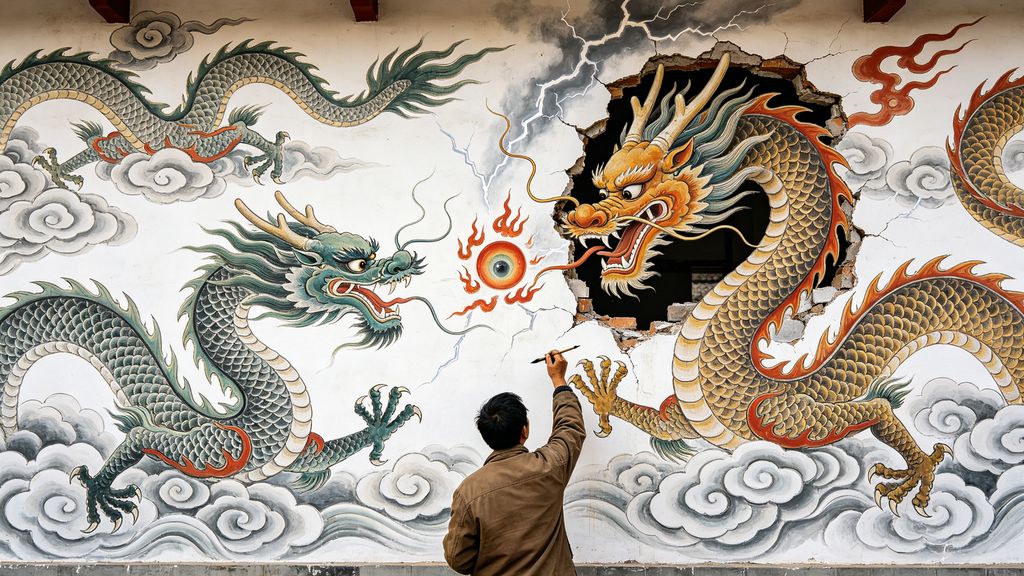
Dotting the Dragon's Eyes: The Stroke That Brings Art to Life
Zhang Sengyao painted dragons without eyes; the moment he added them, they flew away — the origin of the finishing touch.
 idiom
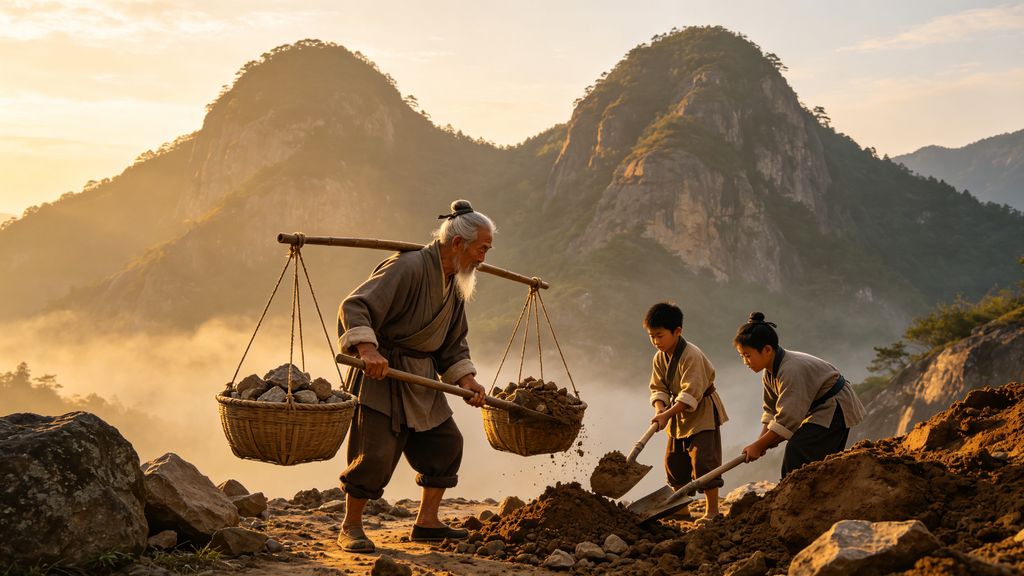
Yugong Moves the Mountain: The Power of Persistence
One old man decides to move two mountains — and the idiom becomes a symbol of willpower even Mao invoked.

