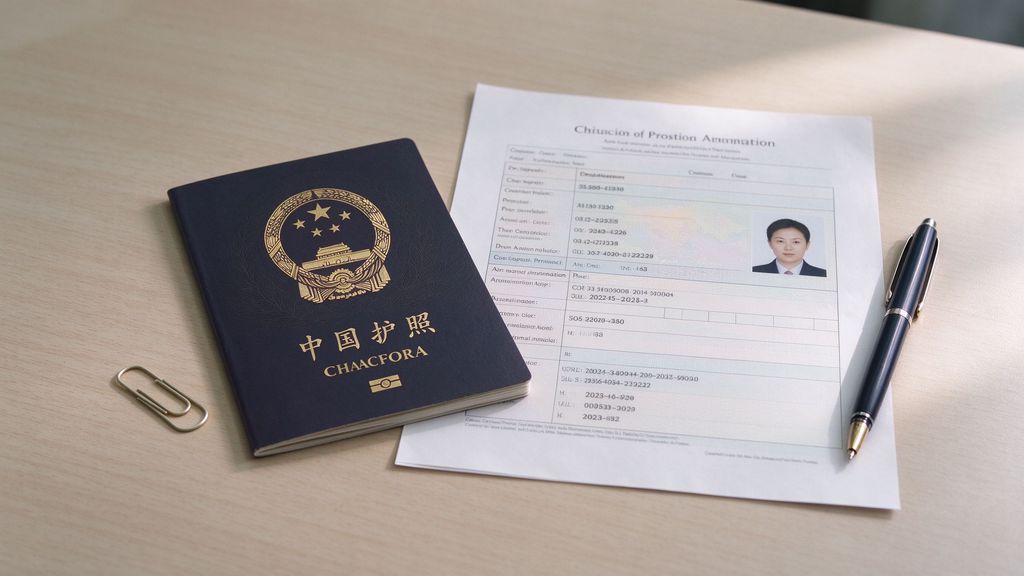
China port visas let eligible travellers get a visa at the entry port on the spot - mainly for urgent business, family visits or medical needs when there was no time to apply beforehand.
Ports: major airports (Beijing, Shanghai, Guangzhou, Shenzhen, Chengdu, Kunming) and some land/sea crossings (near Luohu, Gongbei); ordinary tourism is not normally covered.
Who: holders of valid passports with genuine urgent matters (business invitation, hospital proof, kinship documents) and legitimate purpose; most nationalities qualify - the exit-entry authority decides on site.
Process: at the "port visa" counter, submit materials, photos and the form, pay (similar to embassy fees, a few hundred yuan), and get the visa in about 1-2 hours.
Validity: port visas usually allow 30 days (extendable once), entry only at the issuing port - no changing the plan after landing.
Warning: do not gamble on a port visa - unless you clearly qualify, get a visa before flying; refusal means denied entry and a flight home.
Port visa, also called "visa on arrival", is applied for at a Chinese port of entry on arrival. Convenient-sounding, but strictly limited.
First, make clear: China port visas are not a universal service but a "special channel" for emergencies.
Who qualifies: those needing urgent entry without time for an overseas visa - business emergencies, humanitarian rescue, funerals, medical treatment.
Where: only designated ports - Beijing, Shanghai, Guangzhou, Shenzhen, Chengdu, Kunming and other major air ports, plus some land ports.
Conditions: passport plus proof of an "emergency". Ordinary tourism port visas are basically unavailable.
Available types: mainly temporary L (tourist), M (business), F (visit), Q (family) - usually with stays under thirty days.
Group tourism has special arrangements: some ports support port visas for tour groups, applied by the agency; individuals do not qualify.
Fees: usually higher than embassy visas given the urgency; check port announcements.
Process: at the port visa window, submit documents, fill forms, pay, wait - generally issued within hours.
Risks: review is strict; insufficient material (no return ticket, unclear itinerary) may mean refusal or being returned.
So unless truly urgent, get the visa abroad in advance. Treat the port visa as insurance, not the first choice.
Citizens of visa-free countries need no port visa - use the visa-free channel, faster and easier.
In short: the port visa is an emergency green channel, not a routine option. Prepare in advance; never arrive and hope.
One more point: if transiting China with a stopover, consider the 144-hour visa-free transit policy - many ports support it, saving fees and time. In short, settle your visa plan before departure; it is far more reliable than gambling at the port.

