When interacting with Chinese people, knowing a bit of social etiquette makes communication much smoother. Chinese people value politeness and "face"—some things that seem fine in the West might be impolite in China.
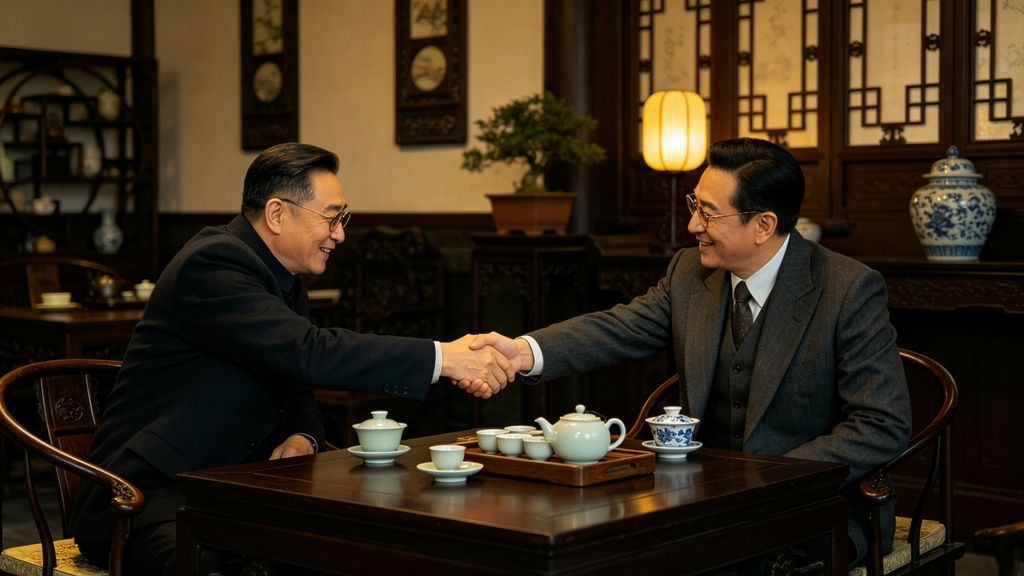
When meeting, Chinese people usually shake hands—not hugs or cheek kisses. Shake hands gently, not too long, look the other person in the eye and smile. When introducing people, usually introduce juniors to elders, lower position to higher position. If exchanging business cards, use both hands, look at the card carefully before putting it away—don't just stuff it in your pocket.
When eating, Chinese people care a lot about seating. The seat facing the door is the head seat, for the host—guests sit to the host's right. Don't sit randomly—wait for the host to arrange. When ordering, let guests order first, or the host orders, usually an even number of dishes (6, 8, 10)—odd numbers are for funerals. When eating, don't dig through the dish, don't stick chopsticks upright in rice, don't tap bowls.
When chatting, don't ask about salary, age, marital status, whether you have kids—these are all private. Chinese people sometimes ask these, but that's their own habit; it's impolite for foreigners to ask. Stick to safe topics: weather, travel, food, culture.
Finally, Chinese people like to say "I'll treat you to a meal some day"—this doesn't necessarily mean they really mean it, it's just a polite phrase. Don't take it seriously, and don't press them on when. If you really want to treat someone, say clearly when and where in advance—Chinese people take it very seriously.

