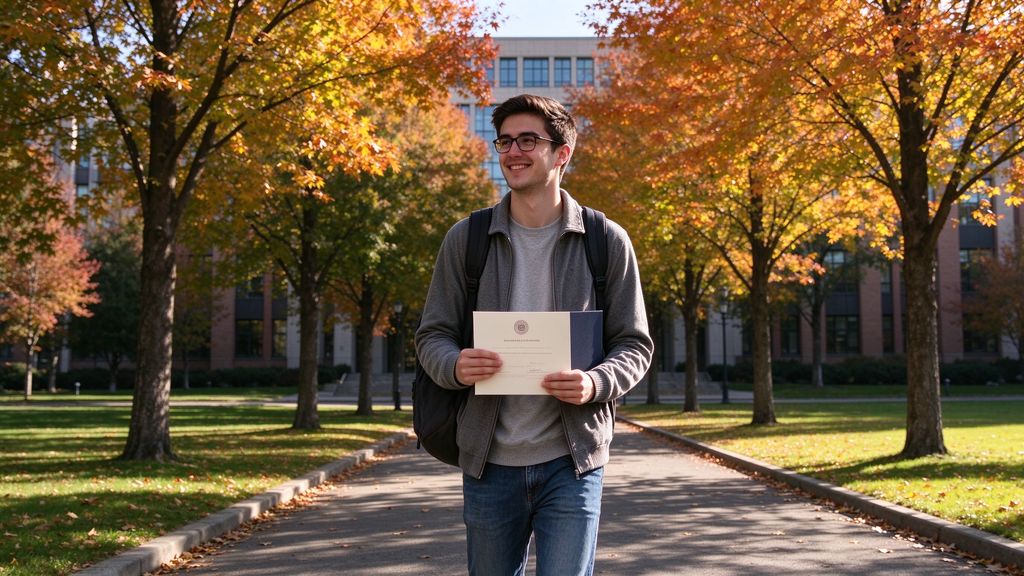
Daniel is a travel blogger from Sweden whose lens focuses on ancient Chinese architecture.
He has visited the Forbidden City, the Great Wall, Yingxian Wooden Pagoda, Fujian tulou, and searched out temples, bridges and ancestral halls hidden in the countryside. Chinese ancient architecture, he says, is a treasure of world architectural history.
Daniel explains the stories behind the buildings: the structure of dougong brackets, the wisdom of mortise-and-tenon joints, the meaning of upturned eaves. His videos are like vivid lessons on Chinese architecture.
He says architecture is history that speaks. Sweden has Nordic minimalism, China has Eastern grandeur — both fascinate him.
Daniel is a Swedish traveller famous for exploring Chinese ancient architecture. His videos record "Chinese ancient architecture beauty in foreign eyes".
His choice: he loves architecture and was drawn to Chinese ancient buildings - from the Forbidden City to Huizhou houses, temples to old city walls - visiting systematically.
Content: structure, details and history of ancient buildings, explaining Chinese architectural wisdom as an architect - mortise-tenon joints, upturned eaves, courtyard layouts.
Going viral: his "why Chinese ancient buildings survive millennia" video spread - his eyes shone explaining mortise-tenon joints; viewers were moved by his love for Chinese architecture.
Significance: he is an international "guide" for Chinese ancient architecture - helping foreign audiences understand its beauty and Chinese viewers rediscover their heritage.
For readers: his videos make you look up at the ancient buildings around you - they hold so much wisdom.
He also made a "Chinese ancient architecture vs European" comparison - comparing the Forbidden City and Versailles on materials, structure and aesthetics. "Both answer the same question: how humans live with nature." The video sparked debate on both sides; viewers said "philosophy hides in architecture". He plans to keep visiting Chinese ancient buildings and produce a documentary series on Chinese architectural beauty.
He concludes: "Chinese ancient architecture taught me patience - every brick can wait for time." He is learning Chinese, aiming to read the Yingzao Fashi (building standards). His architectural journey continues, and his lens helps more people see millennia of wisdom in Chinese buildings.
His greatest wish is helping more people "slow down to see architecture". He is making a public-interest short film calling for protection of disappearing ancient buildings. "These houses waited centuries; they should not vanish in our generation." His lens is leaving a precious archive for Chinese ancient architecture. His story reminds us: beautiful things deserve to be seen, and even more, to be protected.
He is learning calligraphy, writing the characters jiàn zhù (architecture). "Writing architecture with a brush is the most romantic tribute."
His next goal is the Great Wall - not a check-in but "measuring by foot how far ancient Chinese walked".

