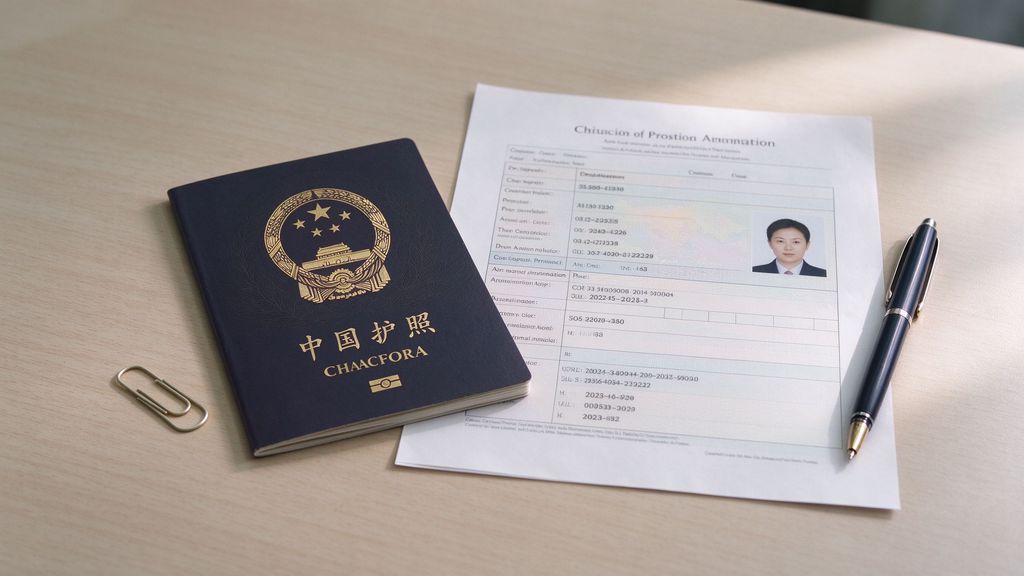
Some major open ports (Beijing, Shanghai, Guangzhou, Shenzhen air and land ports) offer port visas (visa on arrival) for urgent business, humanitarian or similar cases where there is no time to apply at an embassy.
You usually need an invitation from a Chinese host or proof of urgency, and the purpose must fall within the allowed categories (urgent business, visit, transit, tour groups). Documents resemble the L/Z/M visa; review and issuance happen on site.
Key limits: usually single entry with a short stay (often under 30 days); not available at all ports or for all nationalities. Always confirm with the port authority or embassy in advance to avoid refusal on arrival.
A port visa, colloquially "visa on arrival", is issued at Chinese ports of entry (airports, harbours). Many ask "does China have visa on arrival?" The answer: in some cases, but it is not generally available.
When it applies: usually emergencies - no time to apply at an overseas consulate but with a genuine reason to enter (business talks, urgent meetings, humanitarian cases). Tourism-port visas are almost never granted; most travellers must apply in advance.
Ports that issue them: major air ports like Beijing, Shanghai, Guangzhou, Shenzhen, Chengdu and Chongqing, plus some land ports. You need a valid passport and documents matching your entry purpose.
Process: apply at the port visa counter on arrival, submit documents, get reviewed, and receive the visa the same day; stay is usually within 30 days.
Risks: high uncertainty - if unqualified, you may be refused entry and sent back; fees exceed regular visas; peak-season queues can be long. Treat it as a last resort, not a first choice.
Difference from transit visa-free: transit-free means staying without a visa; a port visa means applying on the spot. Transit-free applies to connecting flights to a third country; port visas apply to entering China itself.
Summary: unless a special emergency such as urgent business, obtain an L visa abroad in advance or confirm visa-free eligibility - do not count on getting one at the airport.
Another common confusion: transit-free is a stay permission without a visa; a port visa is a visa issued on site - legally different. If you are only transiting without leaving the airport, many cities need no transit-free registration at all - just use the international transfer corridor. When planning, ask: am I entering, transiting or passing through? Different answers need different documents.
A niche fact: some ports support "group tourist visas on arrival" - tour groups organised by agencies can apply at designated ports. But individual free-and-easy traveller port visas are basically unavailable, and group ones also need advance registration through an agency. So if you travel independently, the conclusion stands - apply in advance or confirm visa-free eligibility.

